Comprehensive insurance solutions for Credit Union members – making protection simple, affordable, and tailored to your needs, with expert support you can trust.
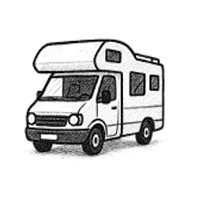
Hit the road across Ireland, Scotland, or Europe with flexible campervan insurance designed for your adventures

Protect your home and belongings with reliable cover designed for Irish homeowners
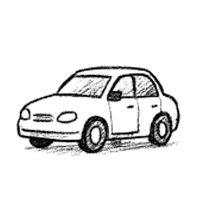
Get car insurance that fits your lifestyle — protecting new drivers and seasoned motorists alike.
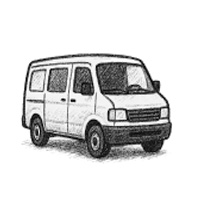
Keep your business moving with reliable commercial vehicle cover designed for Irish trades and companies.
Protect your home and belongings with reliable cover designed for Irish homeowners
Get car insurance that fits your lifestyle — protecting new drivers and seasoned motorists alike.
Keep your business moving with reliable commercial vehicle cover designed for Irish trades and companies.
Hit the road across Ireland, Scotland, or Europe with flexible campervan insurance designed for your adventures
At CUsafe, we believe insurance should be straightforward, transparent, and genuinely designed to protect what matters most to Credit Union members and their families.
Whether you need home insurance, van insurance, travel insurance, life insurance, pensions, or specialist cover, our experienced team works closely with Credit Unions to make sure members get the right protection — not just the cheapest quote.
Through our partnerships with over 200 Credit Unions, CUsafe supports thousands of members across Ireland with personal insurance solutions backed by trusted Irish insurers.

Credit Union Member Support
Speak to our Irish-based team for friendly, personal assistance tailored to Credit Union members whenever you need it.

Tailored Insurance Packages
We compare policies across multiple insurers to provide value and coverage designed for members — no one-size-fits-all approach.

Expertise You Can Trust
Our management team brings over 80 years of combined experience working with Credit Unions and in the Irish insurance industry.
Check out our FAQs on our Insurance Products below.
Campervan insurance is a specialist motor policy designed for motorhomes, campervans, and converted vans. It protects your vehicle against accidents, theft, fire, storm damage, and third-party liability. Comprehensive policies can also cover personal belongings, breakdown assistance, and European travel.
Yes. Like any other motor vehicle, you must have at least Third Party insurance to legally drive a campervan on Irish roads. Most owners choose Comprehensive cover for better protection of their own vehicle and belongings.
The three main levels are:
Many comprehensive policies include limited cover for clothing, camping gear, and small electronics. Higher-value items (bikes, cameras, laptops, etc.) may need to be specified or covered separately. Always check the policy wording for limits and conditions.
Yes, most Irish campervan policies include automatic EU cover for a set number of days (typically 30–90 days). For longer trips or travel outside the EU, you may need a Green Card or an extension. Always confirm the exact terms before travelling.
Yes. Factors such as your age, driving experience, licence history, and claims record all influence the premium. Younger or newly qualified drivers usually pay more, but specialist campervan insurers can sometimes offer more competitive rates.
Yes. Popular optional extras include:
Yes. Specialist policies are available for vintage, classic, or high-value campervans. These often include agreed value cover and more flexible mileage options so you’re not penalised for lower annual usage.
Contact CUsafe or your insurer as soon as possible after the incident. Provide clear details, photos, and any witness information. Our team will guide you through the claims process and help arrange repairs or replacement where needed.
To secure the best deal:
Home insurance protects your property and belongings against unexpected events such as fire, storm damage, theft, escape of water, and accidental damage. It usually includes buildings insurance (the structure of your home) and/or contents insurance (your furniture, electronics, and personal items).
Home insurance is not legally required for private homes in Ireland. However, if you have a mortgage, your lender will almost always insist on buildings insurance as a condition of the loan. It is strongly recommended even if you own your home outright.
Standard policies generally cover:
Cover levels can vary between insurers, so it’s important to check the details.
Common exclusions include:
Always read the policy wording carefully.
The cost depends on many factors including the size, age, and location of your home, security features, rebuild value, and the level of cover you choose. Prices can range from around €250 to over €800 per year. Comparing quotes from multiple insurers is the best way to find a competitive rate.
You can often lower your premium by:
Yes. Specialist policies are available for:
Most standard policies cover storm damage. Flood cover is often included but can be restricted in high-risk areas. Subsidence cover may be optional or excluded depending on the property and location. Always confirm the exact terms.
Standard home insurance usually does not provide full cover during major renovations. You will normally need a specialist “home under renovation” or “contractors all risks” policy that accounts for building works, temporary structures, and increased risk.
Contact your insurer (or CUsafe) as soon as possible after the incident. Provide clear details, photos of the damage, and any supporting documents. Your insurer will guide you through the assessment, repair, or replacement process.
Consider:
A good broker can compare multiple insurers and help you find the right balance of cover and price.
Car insurance protects you, your vehicle, and other road users from financial loss if you’re involved in an accident, theft, fire, or damage. It is a legal requirement to drive any car in Ireland.
Yes. It is illegal to drive without insurance. At minimum, you must have Third Party cover, which protects other people and their property if you cause an accident.
There are three main levels:
Your premium is influenced by:
A No Claims Bonus rewards you for years of claim-free driving. It can significantly reduce your premium and is generally transferable between insurers in Ireland when you switch policies.
Yes. Only Comprehensive policies cover accidental damage to your own vehicle. Third Party and Third Party Fire & Theft do not cover damage to your car unless you add optional accidental damage cover.
Drivers aged 17–24 are statistically more likely to be involved in accidents, so premiums are higher. Some insurers offer young driver discounts, telematics (black box) policies, or parent-named policies to help reduce costs.
Yes. Most finance or leasing companies require at least Comprehensive insurance to protect their asset. Your policy must meet the lender’s minimum requirements.
Most Irish policies include EU cover for a set number of days (usually 30–90 days). For longer trips or travel outside the EU, you may need a Green Card or an extension. Always check your policy before travelling.
The excess is the amount you pay towards a claim before your insurer pays the rest. A higher voluntary excess usually lowers your premium, but means you pay more if you need to make a claim.
Contact your insurer as soon as possible. Provide details of the incident, photos of the damage, and any witness or third-party information. Your insurer will guide you through repairs, a courtesy car (if included), or settlement.
Yes. Popular optional extras include:
Van insurance is a specialist motor policy designed to protect your van, yourself, and other road users against accidents, theft, fire, and damage. It is a legal requirement if you drive a van on Irish roads.
Yes. It is illegal to drive a van without insurance. At minimum, you must have Third Party cover, which protects other people and their property if you cause an accident. Most people choose Comprehensive for better protection of their own van.
The three main levels are:
Premiums depend on several factors, including:
Standard van insurance usually covers the vehicle only. If you carry tools, equipment, or stock, you will typically need additional Tools in Transit or Goods in Transit cover. Always check the policy details for limits.
Yes. You can choose policies specifically for business use, including tradespeople, delivery drivers, couriers, and small fleets. Make sure you declare the correct usage when getting a quote.
Yes. Drivers under 25 generally pay higher premiums due to higher risk. Some insurers offer young driver discounts, telematics policies, or parent-named policies to help manage the cost.
Many Irish van policies include EU cover for a limited number of days. For longer trips or travel outside the EU, you may need a Green Card or an extension. Always confirm the exact terms before travelling.
The excess is the amount you must pay towards a claim before your insurer pays the rest. Choosing a higher voluntary excess can reduce your premium, but you’ll pay more if you need to make a claim.
Contact or your insurer as soon as possible after the incident. Provide details, photos of the damage, and any witness information. Your insurer will guide you through repairs, a replacement vehicle (if included), or settlement.
Yes. Popular optional extras include:
To find the best value:
Campervan insurance is a specialist motor policy designed for motorhomes, campervans, and converted vans. It protects your vehicle against accidents, theft, fire, storm damage, and third-party liability. Comprehensive policies can also cover personal belongings, breakdown assistance, and European travel.
Yes. Like any other motor vehicle, you must have at least Third Party insurance to legally drive a campervan on Irish roads. Most owners choose Comprehensive cover for better protection of their own vehicle and belongings.
The three main levels are:
Many comprehensive policies include limited cover for clothing, camping gear, and small electronics. Higher-value items (bikes, cameras, laptops, etc.) may need to be specified or covered separately. Always check the policy wording for limits and conditions.
Yes, most Irish campervan policies include automatic EU cover for a set number of days (typically 30–90 days). For longer trips or travel outside the EU, you may need a Green Card or an extension. Always confirm the exact terms before travelling.
Yes. Factors such as your age, driving experience, licence history, and claims record all influence the premium. Younger or newly qualified drivers usually pay more, but specialist campervan insurers can sometimes offer more competitive rates.
Yes. Popular optional extras include:
Yes. Specialist policies are available for vintage, classic, or high-value campervans. These often include agreed value cover and more flexible mileage options so you’re not penalised for lower annual usage.
Contact CUsafe or your insurer as soon as possible after the incident. Provide clear details, photos, and any witness information. Our team will guide you through the claims process and help arrange repairs or replacement where needed.
To secure the best deal:
Home insurance protects your property and belongings against unexpected events such as fire, storm damage, theft, escape of water, and accidental damage. It usually includes buildings insurance (the structure of your home) and/or contents insurance (your furniture, electronics, and personal items).
Home insurance is not legally required for private homes in Ireland. However, if you have a mortgage, your lender will almost always insist on buildings insurance as a condition of the loan. It is strongly recommended even if you own your home outright.
Standard policies generally cover:
Cover levels can vary between insurers, so it’s important to check the details.
Common exclusions include:
Always read the policy wording carefully.
The cost depends on many factors including the size, age, and location of your home, security features, rebuild value, and the level of cover you choose. Prices can range from around €250 to over €800 per year. Comparing quotes from multiple insurers is the best way to find a competitive rate.
You can often lower your premium by:
Yes. Specialist policies are available for:
Most standard policies cover storm damage. Flood cover is often included but can be restricted in high-risk areas. Subsidence cover may be optional or excluded depending on the property and location. Always confirm the exact terms.
Standard home insurance usually does not provide full cover during major renovations. You will normally need a specialist “home under renovation” or “contractors all risks” policy that accounts for building works, temporary structures, and increased risk.
Contact your insurer (or CUsafe) as soon as possible after the incident. Provide clear details, photos of the damage, and any supporting documents. Your insurer will guide you through the assessment, repair, or replacement process.
Consider:
A good broker can compare multiple insurers and help you find the right balance of cover and price.
Car insurance protects you, your vehicle, and other road users from financial loss if you’re involved in an accident, theft, fire, or damage. It is a legal requirement to drive any car in Ireland.
Yes. It is illegal to drive without insurance. At minimum, you must have Third Party cover, which protects other people and their property if you cause an accident.
There are three main levels:
Your premium is influenced by:
A No Claims Bonus rewards you for years of claim-free driving. It can significantly reduce your premium and is generally transferable between insurers in Ireland when you switch policies.
Yes. Only Comprehensive policies cover accidental damage to your own vehicle. Third Party and Third Party Fire & Theft do not cover damage to your car unless you add optional accidental damage cover.
Drivers aged 17–24 are statistically more likely to be involved in accidents, so premiums are higher. Some insurers offer young driver discounts, telematics (black box) policies, or parent-named policies to help reduce costs.
Yes. Most finance or leasing companies require at least Comprehensive insurance to protect their asset. Your policy must meet the lender’s minimum requirements.
Most Irish policies include EU cover for a set number of days (usually 30–90 days). For longer trips or travel outside the EU, you may need a Green Card or an extension. Always check your policy before travelling.
The excess is the amount you pay towards a claim before your insurer pays the rest. A higher voluntary excess usually lowers your premium, but means you pay more if you need to make a claim.
Contact your insurer as soon as possible. Provide details of the incident, photos of the damage, and any witness or third-party information. Your insurer will guide you through repairs, a courtesy car (if included), or settlement.
Yes. Popular optional extras include:
Van insurance is a specialist motor policy designed to protect your van, yourself, and other road users against accidents, theft, fire, and damage. It is a legal requirement if you drive a van on Irish roads.
Yes. It is illegal to drive a van without insurance. At minimum, you must have Third Party cover, which protects other people and their property if you cause an accident. Most people choose Comprehensive for better protection of their own van.
The three main levels are:
Premiums depend on several factors, including:
Standard van insurance usually covers the vehicle only. If you carry tools, equipment, or stock, you will typically need additional Tools in Transit or Goods in Transit cover. Always check the policy details for limits.
Yes. You can choose policies specifically for business use, including tradespeople, delivery drivers, couriers, and small fleets. Make sure you declare the correct usage when getting a quote.
Yes. Drivers under 25 generally pay higher premiums due to higher risk. Some insurers offer young driver discounts, telematics policies, or parent-named policies to help manage the cost.
Many Irish van policies include EU cover for a limited number of days. For longer trips or travel outside the EU, you may need a Green Card or an extension. Always confirm the exact terms before travelling.
The excess is the amount you must pay towards a claim before your insurer pays the rest. Choosing a higher voluntary excess can reduce your premium, but you’ll pay more if you need to make a claim.
Contact or your insurer as soon as possible after the incident. Provide details, photos of the damage, and any witness information. Your insurer will guide you through repairs, a replacement vehicle (if included), or settlement.
Yes. Popular optional extras include:
To find the best value:
Real stories from real customers on our parent company Dolmen’s Trustpilot—discover why drivers, homeowners, and businesses choose Dolmen every day.
Quote form
Quote form